
Opening
Buildings are often judged by how they look.
Architecture, however, is felt.
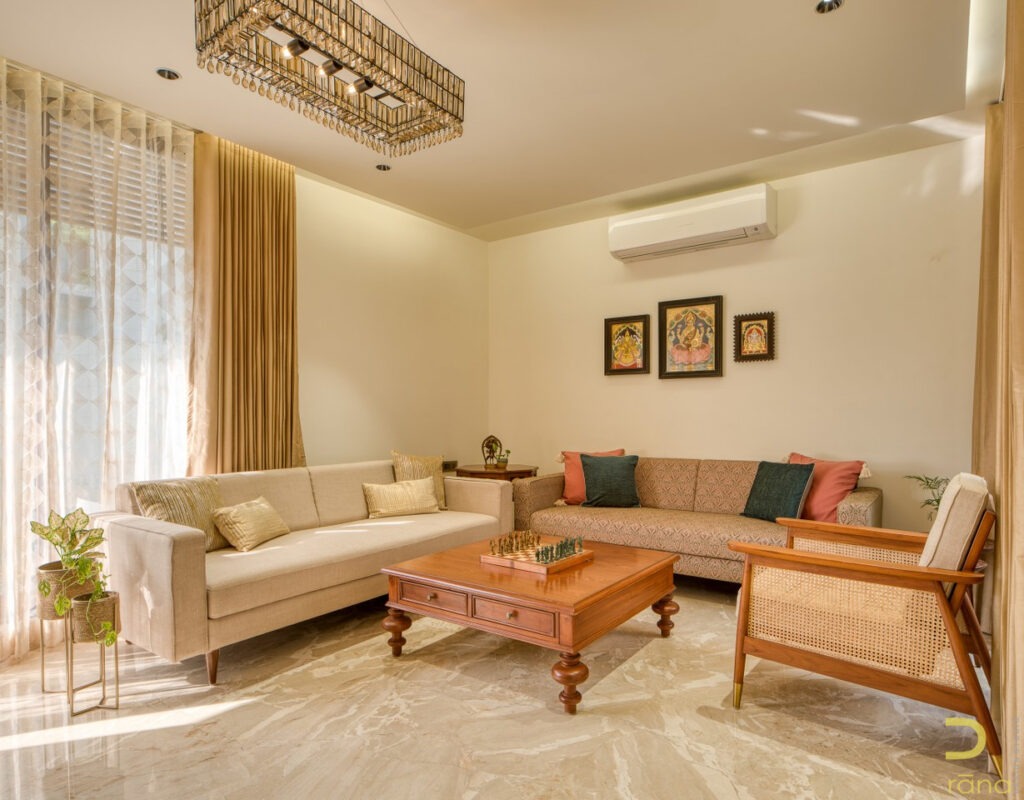
It is present in the way daylight enters a room in the morning, in how air moves through spaces in summer, and in how quietly a home supports daily routines without demanding attention.
In India—where life is layered, climate is intense, and homes are deeply personal—architecture cannot be treated as an object. It must be understood as an experience.
Architecture as Experience, Not Object
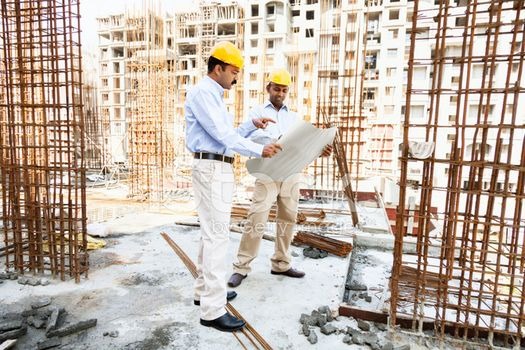
A building may appear complete once construction ends.
Architecture begins after occupation.
It reveals itself slowly—through movement, pause, comfort, and memory. A space that supports living well does not announce itself. It allows daily life to unfold naturally.
This distinction matters, especially in residential architecture, where the success of design is measured not in photographs, but in years of use.
Indian Climate and Daily Life
Indian homes are shaped as much by weather as by culture.
Harsh summers, monsoon rains, dust, noise, and close urban densities demand more than visual design. They require thoughtful planning—of orientation, ventilation, transitions, and thresholds.
When architecture responds to climate, everyday life becomes easier:
- Spaces remain comfortable without constant mechanical dependence
- Light is controlled, not blocked
- Homes feel connected to their surroundings rather than sealed from them
Good architecture in India respects both climate and routine.
Design and Well-Being
The impact of space on well-being is subtle but powerful.
Natural light improves mood.
Cross-ventilation enhances comfort.
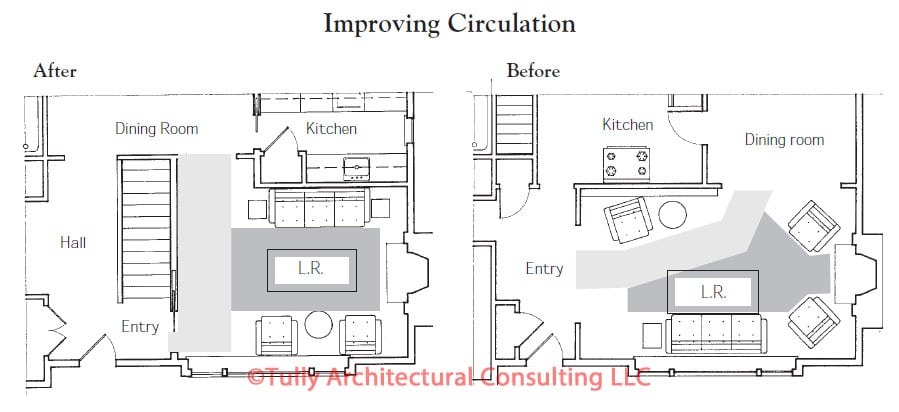
Clear circulation reduces mental fatigue.
When design decisions are aligned with human behaviour, homes begin to support health quietly—without labels or claims.
Well-being is not a feature.
It is a result.
Sustainability as Common Sense
Sustainability is often misunderstood as an upgrade.
In reality, it is a return to sensible design.
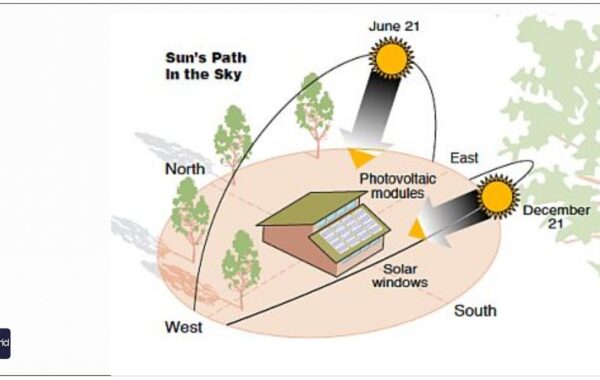
Choosing orientation carefully, allowing buildings to breathe, and respecting material longevity are not luxuries—they are practical decisions rooted in logic.
When architecture is grounded in common sense, sustainability becomes effortless.
Closing
Architecture is not about how a building appears on completion day.
It is about how it supports life, quietly and consistently.
Living well is never accidental.
It is designed.