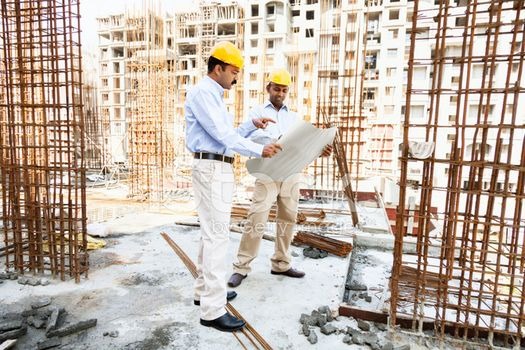



A piece of land is never empty.
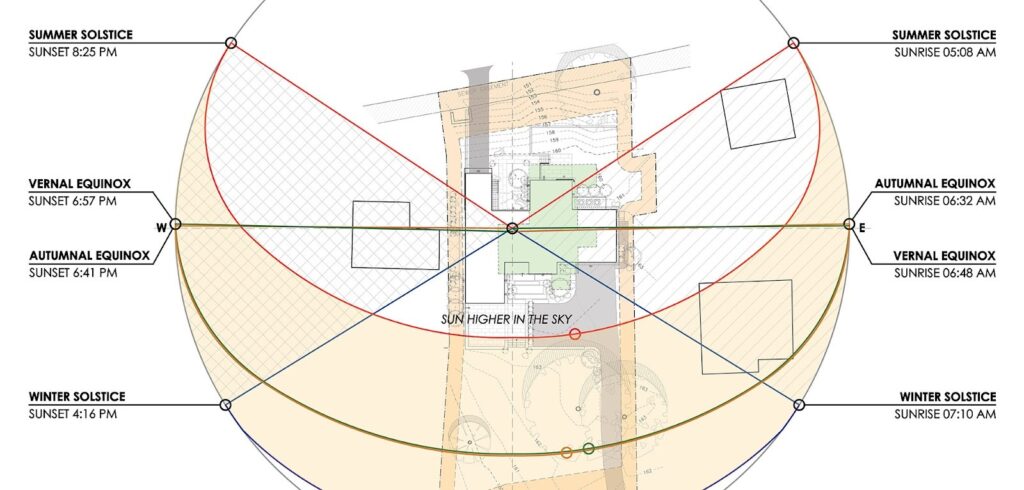
Even before a single line is drawn, it holds light, wind, soil, sound, and memory.
What we choose to build upon it can either resist these forces—or quietly work with them.
In Delhi NCR—where climate, density, and lifestyles change from one sector to the next—building is not merely a construction activity. It is a long-term decision that shapes how people live, move, rest, and grow.
Before construction begins, understanding architecture becomes far more important than choosing finishes or finalising floor plans.
2. Architecture Is Not About Drawing Rooms
Many land owners approach an architect with a list of requirements:
- Bedrooms
- Bathrooms
- Parking
- Store rooms
These are essential—but architecture begins beyond them.
It asks deeper questions:
- How should mornings feel within the house?
- Where does the home slow you down after a long day?
- How does natural light behave in the late afternoon?
A well-designed home does not impress only on the day of possession.
It continues to feel right after years of living.
3. Budget Is a Design Tool, Not a Limitation
Many projects become expensive not because of ambition, but because of late decisions.
When architectural clarity is established early:
- Materials are used more efficiently
- Structural systems remain clean and logical
- On-site changes reduce significantly
In fast-developing areas like Greater Noida and Gurugram, this clarity often saves both time and cost—especially for clients handling multiple units or phased developments.
Architecture does not increase cost.
Uncertainty does.
4. Sustainability Is Not an Add-On
In North India’s climate, sustainability is not a trend—it is a necessity.
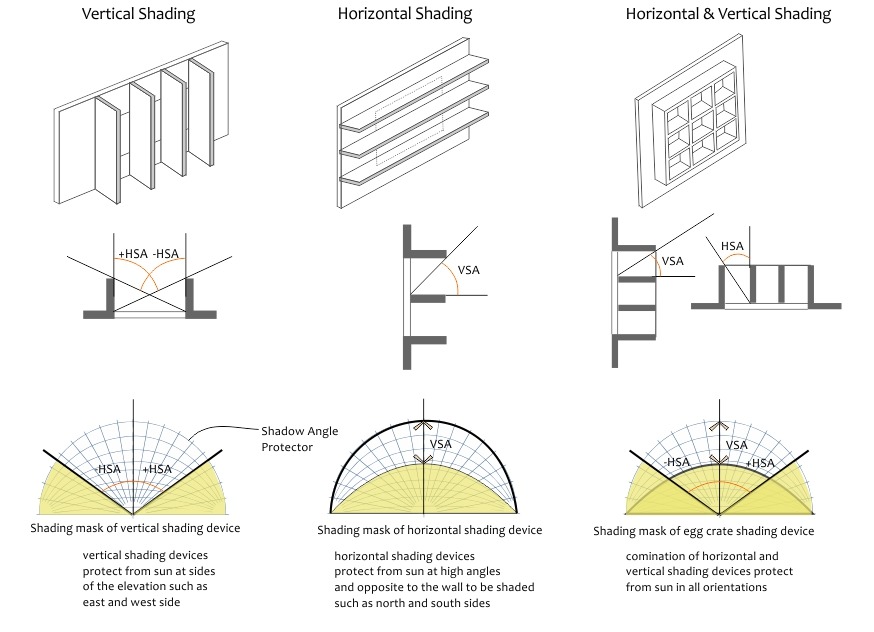
- Proper orientation reduces heat gain
- Cross-ventilation improves indoor comfort
- Thoughtful shading lowers cooling demand
True sustainability is quiet.
It works in the background, without demanding attention.
When architecture responds naturally to climate, buildings age better—and people feel better within them.
5. The Architect’s Role Begins Before Construction
An architect is not only a service provider.
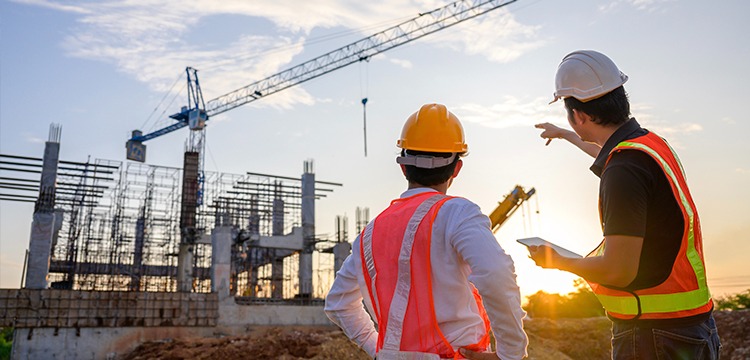
They act as a translator—between land and lifestyle, vision and reality.
When involved early, architecture:
- Aligns expectations clearly
- Prevents costly reversals later
- Creates spaces that feel intentional rather than accidental
This early collaboration often determines whether a project feels stressful—or steady.
Building is a significant journey.
When approached thoughtfully, it becomes more than a project—it becomes a foundation for everyday life.
Before you build, pause.
Understand the land.
Understand yourself.
And allow architecture to quietly guide the process.